





Solar Inverter OEM/ODM Solutions: Build Your Private Label Brand
- What is a Custom Solar Inverter?
- Key Takeaways: Why Build a Private Label Solar Inverter?
- Data Comparison Table: Standard Off-the-Shelf vs. Custom OEM Solar Inverters
- Core Engineering Components for Future-Proof Inverters
- Common Mistakes When Sourcing OEM/ODM Inverters (Expert Tips)
- Guangzhou Congsin Electronic Technology Co., Ltd.'s Industry-Leading OEM/ODM Integration
- Frequently Asked Questions
- What is the typical lead time for an OEM custom solar inverter?
- How does SiC technology improve custom solar inverters?
- Can I customize the MPPT algorithms on a private label inverter?
- What is the minimum order quantity (MOQ) for ODM solar inverters?
- How do customized inverters comply with localized utility grid codes?
- What is the difference between an OEM and an ODM solar inverter?
- Are custom hybrid inverters better for battery energy storage systems (BESS)?
- How much does it cost to prototype a custom solar inverter PCBA?
- Conclusion & Call to Action
The renewable energy landscape is shifting rapidly, and simply distributing generic, off-the-shelf equipment is no longer enough to maintain a competitive edge. To capture market share and establish long-term brand equity, energy businesses are increasingly turning to bespoke manufacturing. By leveraging Solar Inverter OEM/ODM partnerships, companies can transition from mere distributors to authoritative energy solution providers, offering proprietary technology tailored to specific market demands.
What is a Custom Solar Inverter?
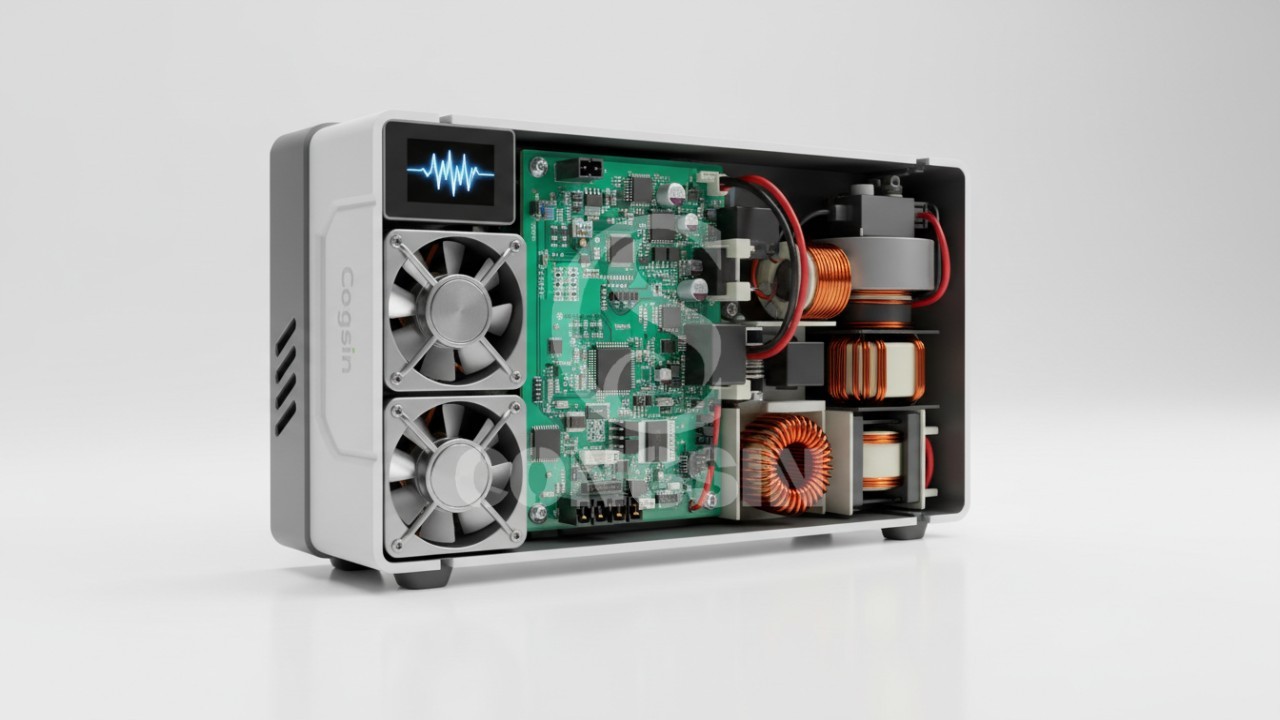
A Custom Solar Inverter is a purpose-built power conversion system engineered to meet unique technical, environmental, or branding requirements. Unlike off-the-shelf units, customized solutions involve tailored PCB layouts, adaptive firmware, and specialized MPPT algorithms, empowering OEM/ODM partners to integrate advanced components while ensuring compliance with regional utility standards.
Developing a custom unit allows brands to differentiate themselves in a crowded marketplace. Instead of competing solely on price, you can compete on unique features, industrial-grade reliability, and localized grid compatibility. Whether your target market requires robust hybrid inverters for residential battery storage or hardened units for commercial applications, custom engineering bridges the gap between standard availability and specialized performance.
Key Takeaways: Why Build a Private Label Solar Inverter?
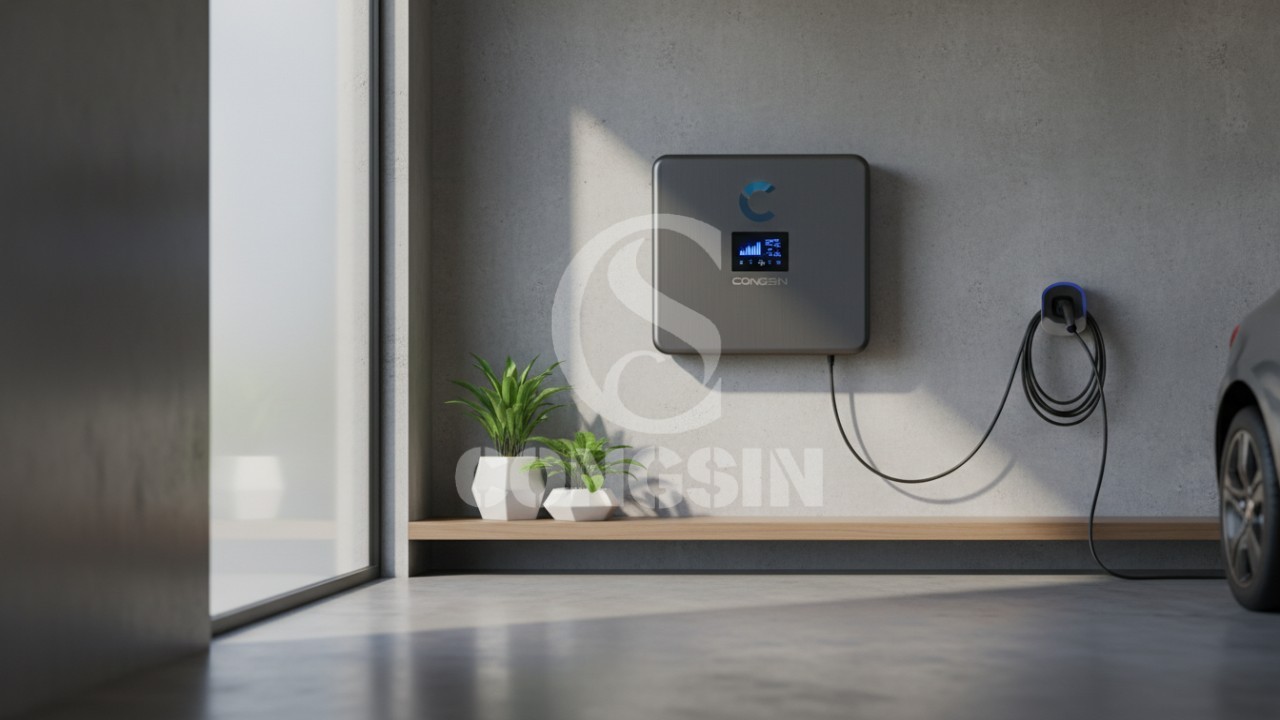
Building a proprietary energy product line offers distinct strategic advantages that go beyond simple aesthetics.
- Full Brand Control: Establish authority by selling proprietary energy solutions rather than acting as a simple distributor. A Private Label Solar Inverter ensures that your customers associate high performance and reliability directly with your brand, fostering loyalty and repeat business.
- Niche Market Targeting: Address specific use-cases that mass-market inverters ignore. This includes designing units for adverse industrial environments, unique smart grid topologies, or specialized off-grid solar architectures that require distinct voltage parameters.
- Higher Profit Margins: By working directly with a manufacturer and reducing dependency on third-party brands, you eliminate the middleman markup. This allows for more competitive retail pricing while simultaneously increasing your internal profit margins and building long-term brand equity.
Data Comparison Table: Standard Off-the-Shelf vs. Custom OEM Solar Inverters
To understand the value of bespoke engineering, it is crucial to compare the technical and commercial attributes of standard units against customized solutions.
Core Engineering Components for Future-Proof Inverters
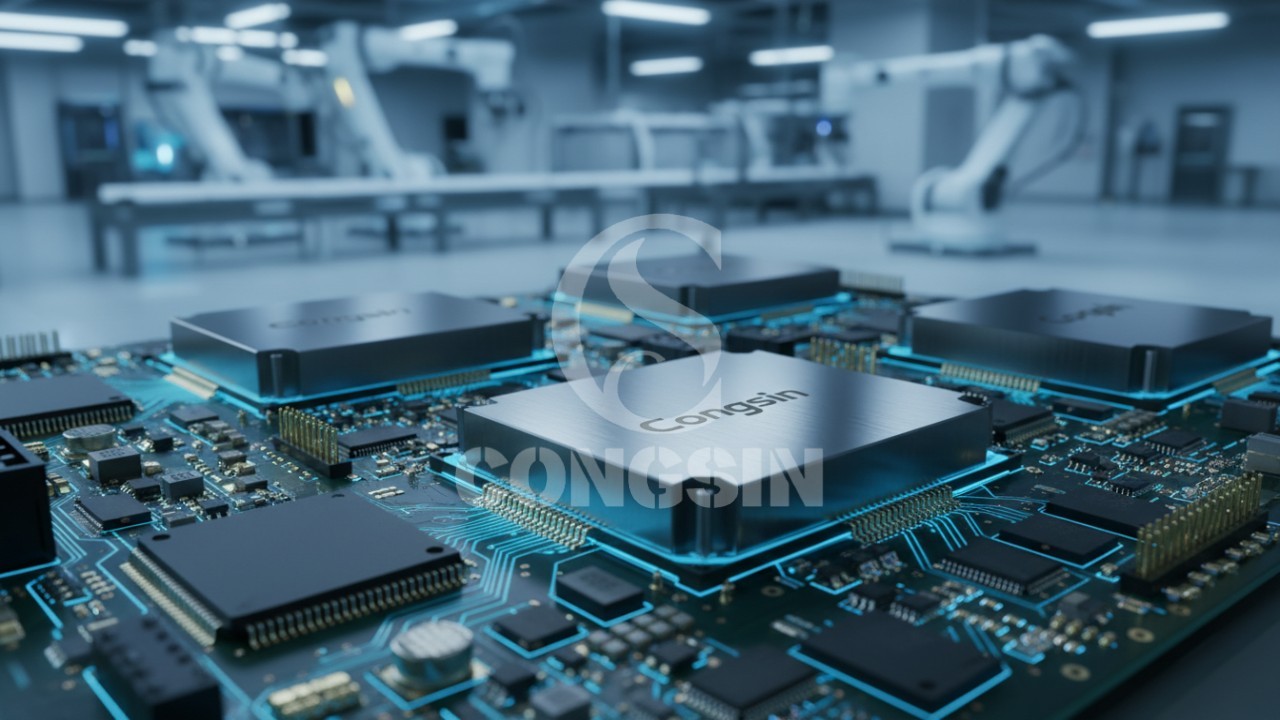
Future-proof solar inverters rely on advanced hardware and software components, specifically custom printed circuit board assemblies (PCBA) and wide-bandgap semiconductors, to maximize energy conversion and system lifespan.
To achieve true market differentiation, your OEM/ODM partner must possess deep expertise in several critical engineering domains:
- Custom PCBA Manufacturing: The foundation of any reliable inverter is its internal circuitry. Designing one-stop PCBA processes is essential to handle switching anomalies and complex thermal loads, particularly in hybrid systems that manage both solar input and battery storage. A well-engineered Custom solar inverter PCB ensures that the physical layout minimizes electromagnetic interference (EMI) and optimizes heat dissipation.
- SiC Power Module Integration: The transition from traditional silicon to wide-bandgap materials is revolutionizing power electronics. SiC Power Module Integration utilizes Silicon Carbide to push voltage thresholds and reduce thermal losses. According to the U.S. Department of Energy, while traditional silicon inverters peak at 98% efficiency, Silicon Carbide (SiC) Efficiency allows inverters to operate at about 99% efficiency while withstanding significantly higher temperatures and voltages, making them smaller, faster, and tougher.
- MPPT Algorithm Customization: Software is just as critical as hardware. Implementing MPPT Algorithm Customization through digital power libraries allows engineers to tailor Maximum Power Point Tracking (MPPT) and software phase-locked loops (PLL) to specific solar panel architectures. This ensures that the inverter extracts the maximum possible yield regardless of shading, temperature fluctuations, or unique panel configurations.
Common Mistakes When Sourcing OEM/ODM Inverters (Expert Tips)
Sourcing OEM/ODM inverters often fails when brands prioritize low initial costs over rigorous safety compliance, localized grid compatibility, and proven thermal management engineering.
Navigating the manufacturing landscape requires strategic foresight. Avoid these common pitfalls to ensure a successful product launch:
- Ignoring Local Certification: Failing to design PCBs around localized safety standards and utility grid codes early in the R&D phase is a costly mistake. Standards like the IEEE 1547 Standard explicitly define the performance, functionalities, and interoperability of distributed energy resources connected to the distribution grid. Your firmware must be adaptive enough to meet these strict, region-specific requirements.
- Underestimating Thermal Management: Using standard cooling solutions in environments that require custom industrial hardening leads to premature failure. If your target market includes desert climates or heavy-load industrial sites, the inverter must feature bespoke heat sinks, advanced potting compounds, or active liquid cooling systems.
- Poor Partner Selection: Choosing a factory based solely on unit cost rather than proven reliability, transparent lead times, and rigorous quality control (QC) standards is a recipe for disaster. A true OEM/ODM partner acts as an extension of your engineering team. For a deeper dive into establishing these partnerships, review our comprehensive Private label solar inverter guide.
Guangzhou Congsin Electronic Technology Co., Ltd.'s Industry-Leading OEM/ODM Integration
Guangzhou Congsin Electronic Technology Co., Ltd. delivers end-to-end OEM/ODM manufacturing solutions, leveraging over 27 years of experience to design, prototype, and mass-produce custom solar inverters tailored to your brand's exact specifications.
Founded in early 1998, Congsin has established itself as a premier professional power inverter manufacturer. Our core emphasis lies in DC to AC power inverters, portable power stations, and solar charge controllers. With a catalog encompassing over 100 models, we tailor power solutions for vehicles, solar systems, RVs, off-grid homes, and demanding field construction environments.
Our manufacturing ecosystem is built on reliability and scale. We operate fully automated production lines equipped with advanced instrumentation and multifunctional testing equipment. This infrastructure ensures that every unit we produce delivers maximum efficiency and intelligent functionality.
Furthermore, environmental and safety compliance are inherently built into our processes. Our quality management system is ISO9001 certified, and our products hold rigorous international approvals, including CE, EMC, LVD, ETL, FCC, RoHS, and E-MARK. By leveraging our robust supply chain for high-tier components like SiC and IGBT, we guarantee rapid scalability and proven reliability for your private label brand across global markets in Europe, the Americas, the Middle East, Africa, and Southeast Asia.
Frequently Asked Questions
What is the typical lead time for an OEM custom solar inverter?
The lead time generally ranges from 3 to 6 months. This timeline accounts for initial PCB design, firmware programming, prototyping, rigorous safety certification testing, and the final mass production setup.
How does SiC technology improve custom solar inverters?
Silicon Carbide (SiC) allows semiconductor components to operate at much higher voltages and temperatures than traditional silicon. It significantly reduces energy loss during power conversion, helping customized inverters achieve up to 99% efficiency while reducing the overall physical footprint of the device.
Can I customize the MPPT algorithms on a private label inverter?
Yes, custom firmware development is a key part of the comprehensive ODM process. Advanced digital power libraries allow our engineers to tailor Maximum Power Point Tracking (MPPT) algorithms to perfectly match your specific solar panel configurations and environmental conditions.
What is the minimum order quantity (MOQ) for ODM solar inverters?
MOQs vary depending on the manufacturer and the exact complexity of the bespoke design. Generally, custom builds require an MOQ of 100 to 500 units to effectively offset the initial R&D, engineering, and tooling costs.
How do customized inverters comply with localized utility grid codes?
Compliance is achieved through highly adaptive firmware and localized PCB testing. Manufacturers design the internal software to respond appropriately to local grid frequency, voltage variations, and specific trip-curve standards mandated by regional authorities.
What is the difference between an OEM and an ODM solar inverter?
An OEM (Original Equipment Manufacturer) builds an inverter based exactly on your brand's custom, from-scratch design and specifications. An ODM (Original Design Manufacturer) provides pre-engineered, proven inverter designs that you can brand as your own with minor, specific customizations.
Are custom hybrid inverters better for battery energy storage systems (BESS)?
Custom hybrid inverters are highly beneficial and often necessary for seamless BESS integration. They can be precisely engineered to match specific battery chemistries, charge/discharge rates, and complex smart home load management requirements.
How much does it cost to prototype a custom solar inverter PCBA?
Prototyping costs depend heavily on the desired power rating, phase type, and component choices (e.g., standard Silicon vs. advanced SiC). Initial prototyping typically ranges from a few thousand to tens of thousands of dollars, acting as a crucial upfront R&D investment to ensure mass production success.
Conclusion & Call to Action
Developing a custom solar inverter empowers your brand to deliver unmatched efficiency, reliability, and grid compliance to your target market. By partnering with an experienced OEM/ODM manufacturer, you mitigate complex R&D risks, ensure strict international safety compliance, and significantly accelerate your time-to-market.
Contact Guangzhou Congsin Electronic Technology Co., Ltd. today to discuss your specific needs.


Modified Sine Wave Inverters
Which plug types are supported by the universal socket?
The universal socket is compatible with most national plug specifications, such as GB, US, EU, etc., and can meet the use of devices in different regions (some require adapters).
Do you support OEM branding?
Yes, we offer logo, packaging, and label customization.
What is the working principle of the UPS function?
When the external power supply is normal, the inverter powers the device and charges the battery; when the external power supply is interrupted, it automatically switches to battery power to ensure uninterrupted operation of the device.
What capacity battery can be used with it?
It is recommended to use a 12V 100Ah-200Ah lead-acid battery or lithium battery; the larger the battery capacity, the longer the UPS power supply time (e.g., a 100Ah battery can support a 100W device to work continuously for about 10 hours).
What devices can be powered by this inverter?
Suitable for TVs, fans, computers, and small tools.
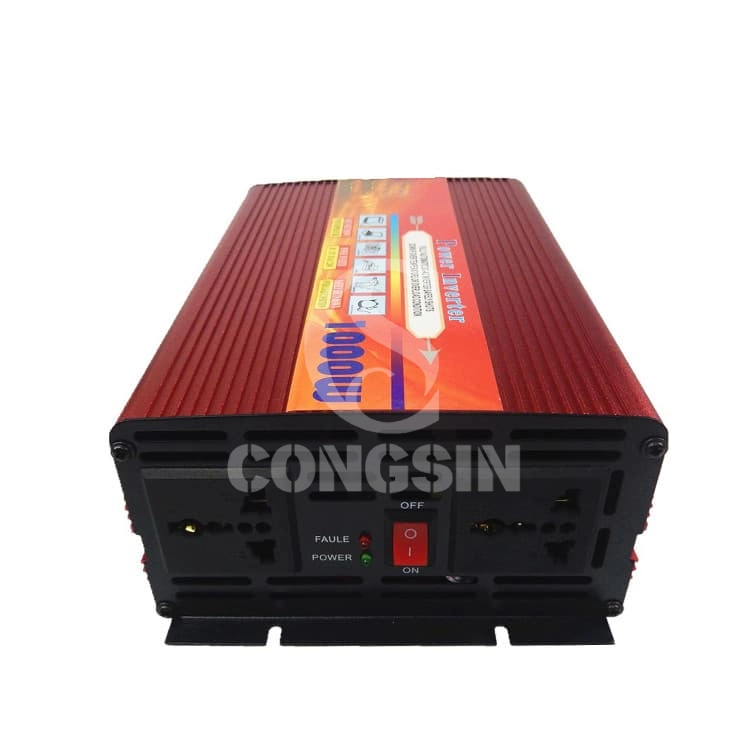
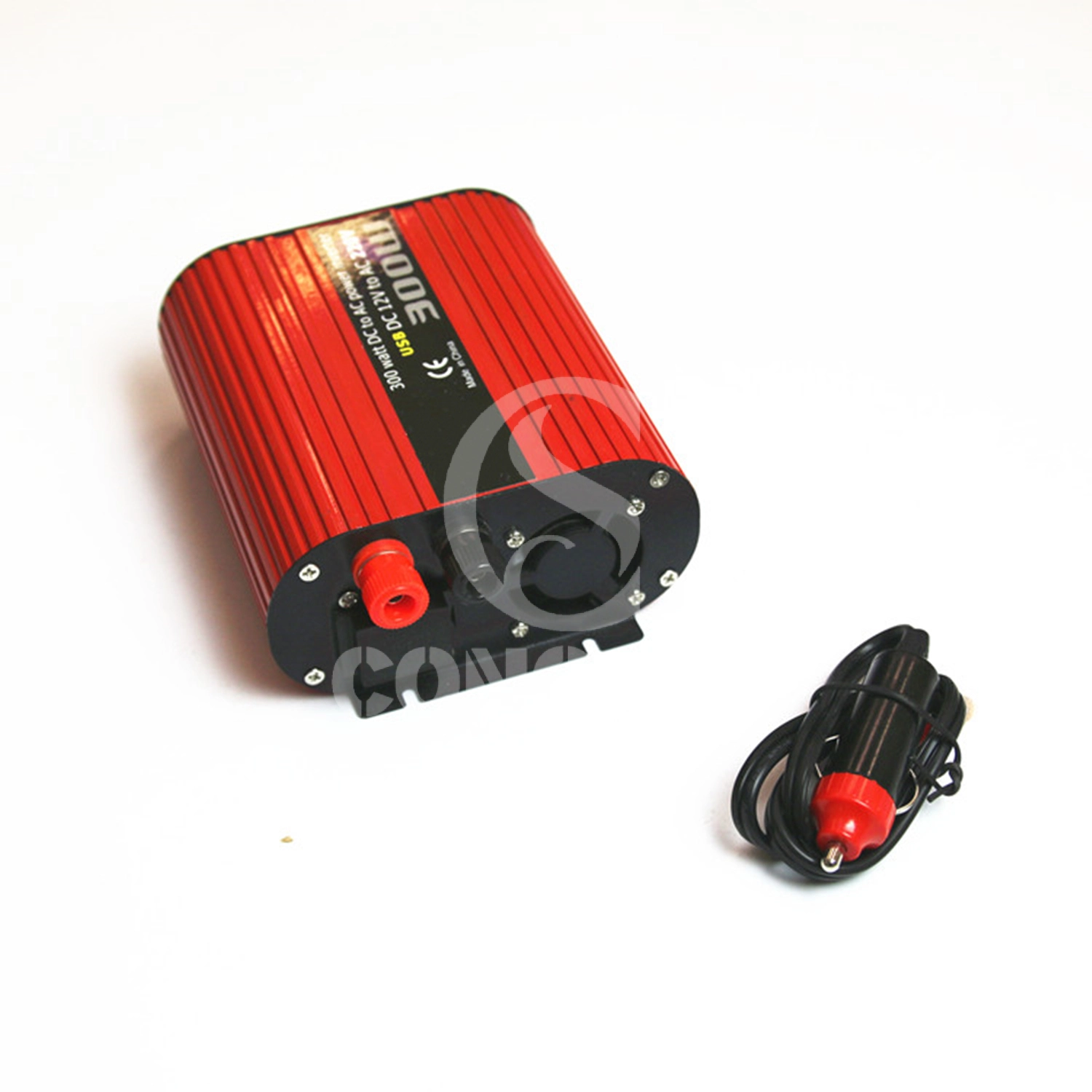
Congsin's Portable 150W Modified Sine Wave Inverter powers your journey! This versatile Car Power Inverter with USB acts as a reliable 12V to 220V converter, ensuring an essential off-grid power supply. With dual USB ports and a universal socket, enjoy convenient power on the go.
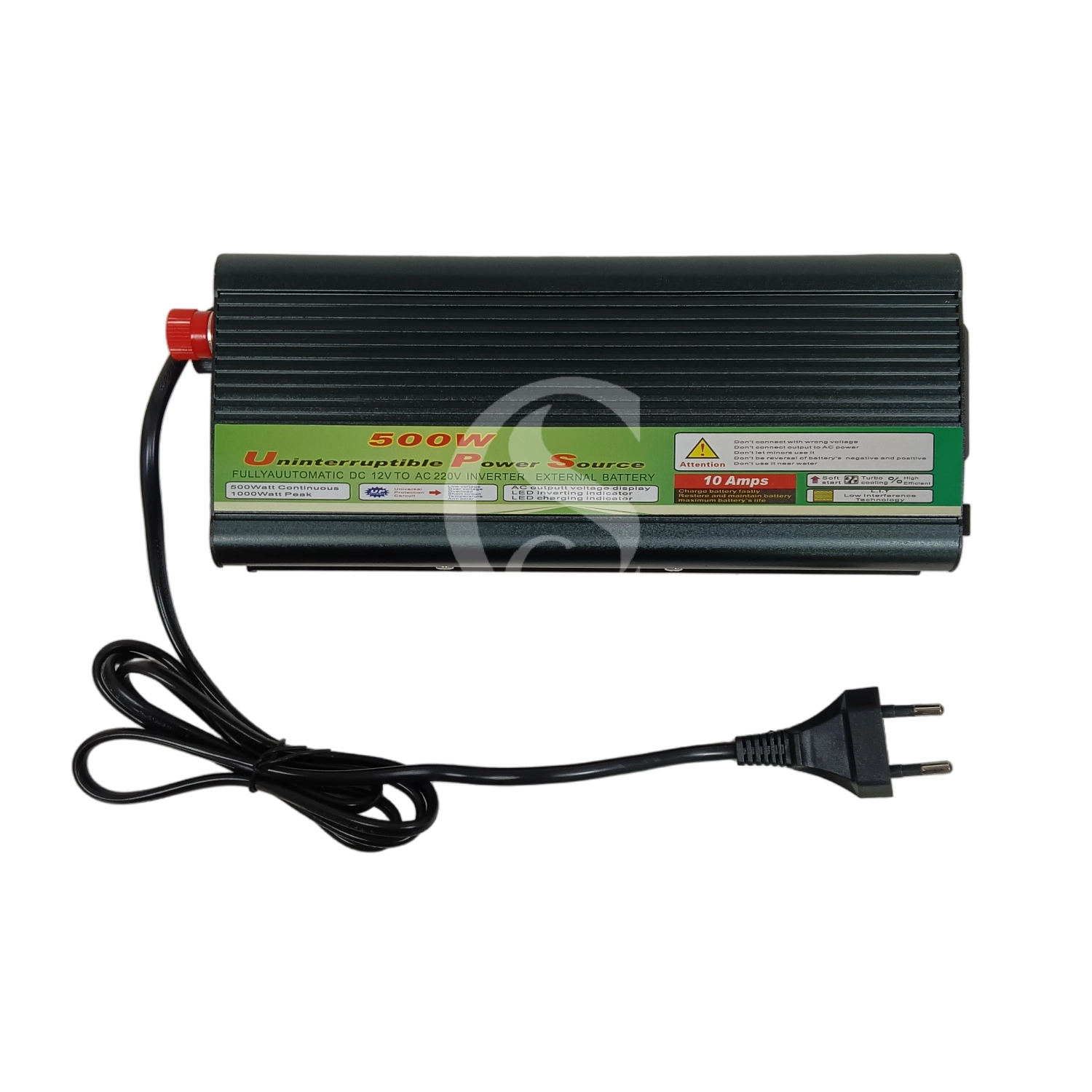
Congsin 500W 12V to 220V inverter delivers reliable off-grid power with its modified sine wave design. This portable 500W DC to AC power inverter efficiently converts 12V DC to 220V AC, ideal for outdoor and emergency use. Trust Congsin for stable, portable energy solutions.
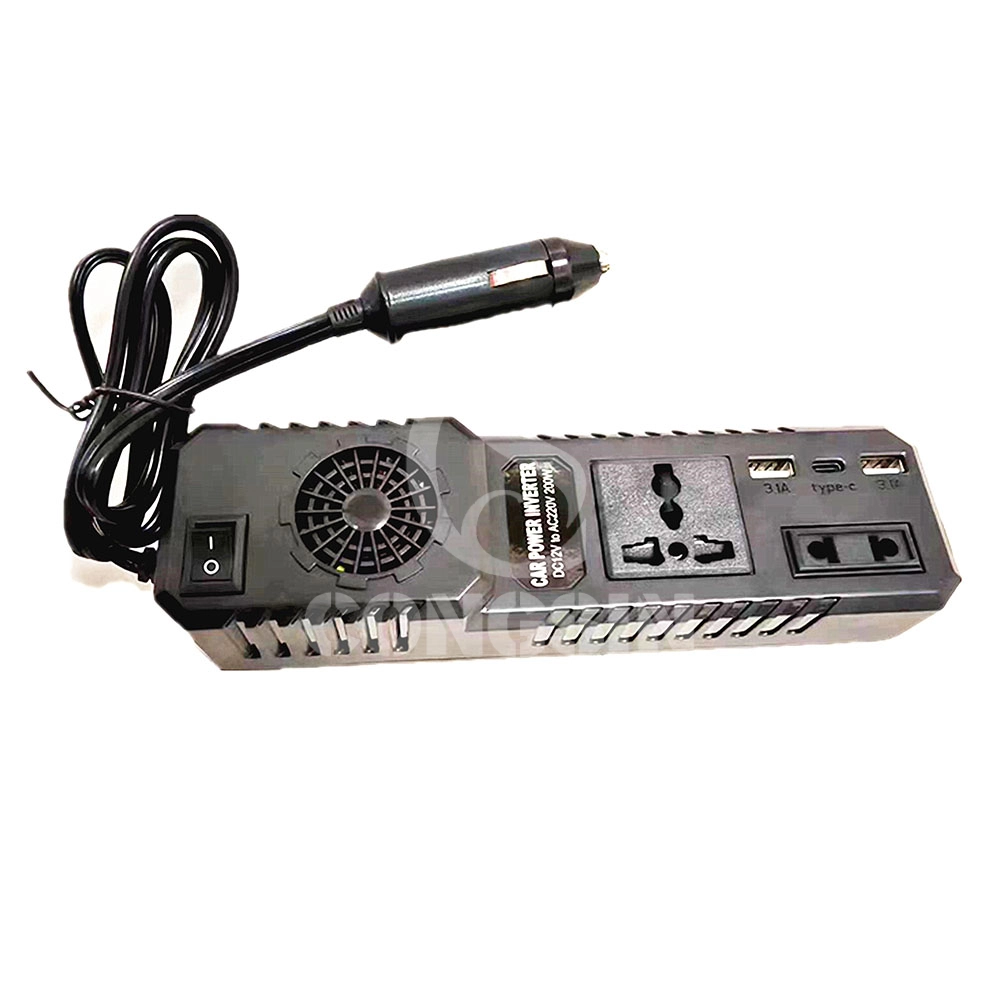
This 200W Modified Sine Wave Car Power Inverter is a compact and practical power conversion device designed for vehicle use. It supports dual input (DC12V/24V) and outputs AC220V, compatible with various electronic devices. Equipped with a Type-C port and dual 3.1A USB outputs, it can charge laptops, phones, cameras, drones, and other small electronics simultaneously—perfect for outdoor travel, emergency backup, and mobile work scenarios.
Get in Touch with Our Team
You can also communicate with us directly through our online contact form. Please fill in the following information, and our team will contact you as soon as possible after receiving your message.

CONGSIN is a trusted OEM factory for power inverters, solar charge controllers, and DC converters. Reliable solutions for global B2B buyers.
 High Quality
 7/24 Service
 Guaranteed Warranty
© 2025 Congsin. All Rights Reserved.
 WeChat
 Scan QR Code
sin cong
teaimei10
Whatsapp: +8618028086791
Scan QR Code